

The bitterness of coffee
- Posted on
- By Atelier Kaféin
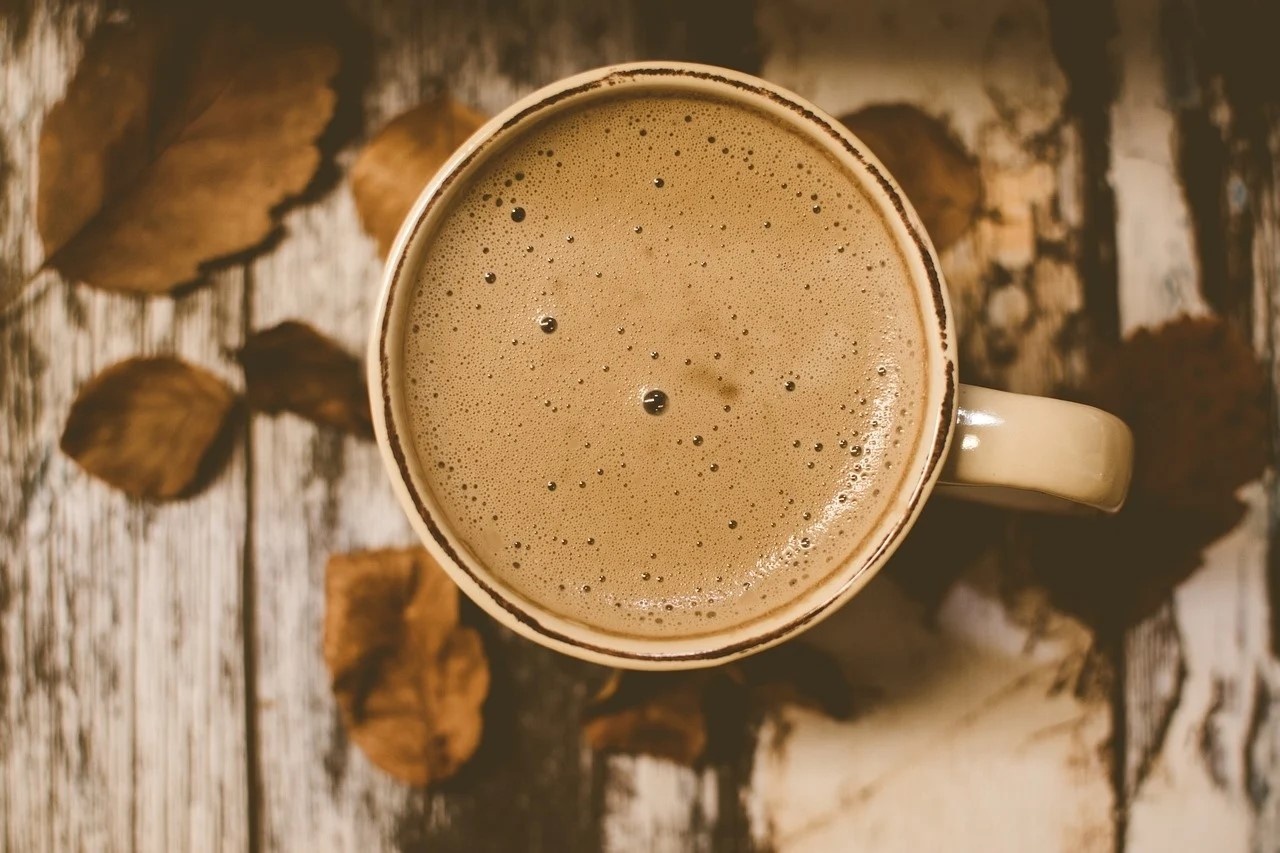
Coffee's bitterness stems from certain chemical compounds naturally present in the beans. While it can contribute to the coffee's flavor and texture, excessive bitterness can make the taste less pleasant. This bitterness can be reduced by choosing a different type of coffee, using high-quality water, shortening the extraction time, or adding milk, sugar, or a natural sweetener.
What is coffee bitterness?
Bitterness plays a vital role in the overall flavor and taste of coffee. It contributes to a sense of "density" or "texture" in the mouth. Bitterness can also add a fascinating dimension to the coffee's flavor profile, especially when well-balanced with other notes such as acidity and sweetness. But where does this bitterness come from, and how can it be tempered or reduced?
Where does this bitterness come from?
Coffee’s bitterness stems from certain chemical compounds found in the beans, including alkaloids and chlorogenic acids. These compounds are released during the roasting process.
Alkaloids include caffeine—the best-known compound in coffee—which is responsible for the famous beverage's stimulating effects. There is also trigonelline, an aromatic compound that contributes to both coffee's flavor and its bitterness.
The level of bitterness in coffee depends on several factors, such as the type of coffee, the roast level, the quality of the water used, and the brewing method. Roasting plays a major role in bitterness, as darker roasts can result in more bitter beans. The type of coffee is also significant, as some varieties are simply more bitter than others.
How can you cut the bitterness of your coffee?
Use quality water: The water used to brew coffee significantly impacts its bitterness and overall taste. Use high-quality water—preferably filtered—to help reduce bitterness.
Reduce extraction time: Extraction time affects the number of compounds released into the coffee. For instance, an overly long extraction time releases too many bitter compounds. You can reduce extraction time by using a coarser grind, or by adjusting the brewing time or pressure (if using an espresso machine).
Add milk or cream: Adding dairy products like milk or cream can help reduce bitterness and mellow the flavor. You can also try plant-based alternatives—such as oat, almond, or soy milk—to accommodate allergies or simply suit your personal preference.
Add sugar or a natural sweetener: If you prefer a sweeter cup, try adding a little sugar, honey, or maple syrup to soften the flavor and cut the bitterness. You can also use natural sweeteners like stevia or date syrup to avoid adding excessive sugar.
Conclusion:
Ultimately, bitterness is an important characteristic of coffee that contributes to both its taste and texture. It simply comes down to personal preference, so we recommend trying out different methods and combinations to find the one that delivers the best experience for your mornings!